Discover Practical Clean Energy Options for a Sustainable Future
- EServices4U Team

- Dec 10, 2025
- 3 min read
As the world faces increasing environmental challenges, the shift towards clean energy options has become more crucial than ever. Transitioning to renewable and efficient energy sources not only helps reduce carbon emissions but also promotes energy independence and long-term savings. This article explores practical clean energy options that individuals, businesses, and communities can adopt today to contribute to a greener tomorrow.
Understanding Clean Energy Options: What Are They?
Clean energy options refer to energy sources that produce little to no greenhouse gas emissions during operation. These sources are renewable, meaning they replenish naturally and are sustainable over time. Some of the most common clean energy options include:
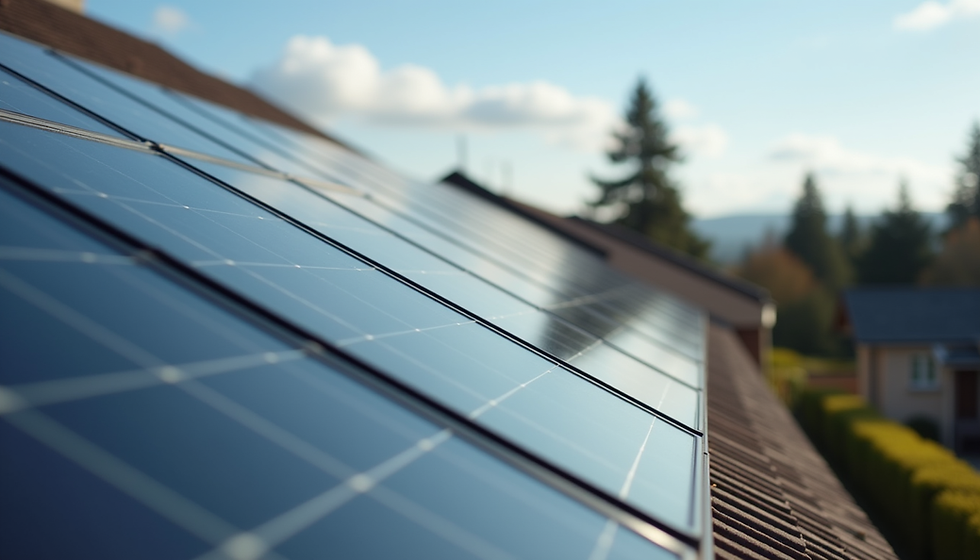
Solar Power: Harnessing sunlight through photovoltaic panels to generate electricity.
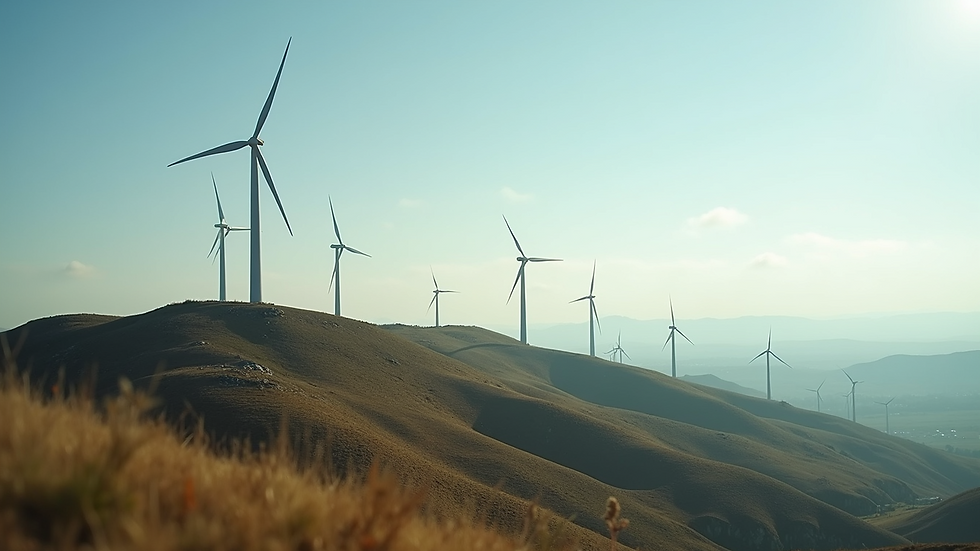
Wind Energy: Using wind turbines to convert wind into electrical power.
Hydropower: Generating energy from flowing or falling water.
Geothermal Energy: Utilizing heat from beneath the Earth's surface.
Biomass Energy: Producing energy from organic materials like plant waste.
Each of these options has unique benefits and applications depending on location, budget, and energy needs. For example, solar panels are ideal for sunny regions, while wind turbines thrive in areas with consistent wind patterns.

Practical Applications of Clean Energy Options in Everyday Life
Adopting clean energy options can be straightforward and cost-effective with the right approach. Here are some practical ways to integrate these solutions:
Residential Use
Solar Panels: Installing solar panels on rooftops can significantly reduce electricity bills. Many governments offer incentives or rebates to encourage solar adoption.
Solar Water Heaters: These systems use solar energy to heat water, reducing reliance on electric or gas water heaters.
Energy-Efficient Appliances: Using appliances with high energy ratings complements clean energy use by lowering overall consumption.
Commercial and Industrial Use
Wind Turbines: Businesses with large land areas can install small to medium-sized wind turbines to generate power onsite.
Energy Management Systems: Implementing smart systems to monitor and optimize energy use can enhance efficiency.
Green Building Design: Incorporating natural lighting, insulation, and ventilation reduces energy demand.
Community and Public Infrastructure
Solar Farms: Large-scale solar installations can supply power to entire communities.
Hydropower Projects: Small hydropower plants can provide reliable energy in rural or remote areas.
Electric Vehicle Charging Stations: Powered by renewable energy, these stations support the transition to clean transportation.
How to Choose the Right Clean Energy Option for You
Selecting the most suitable clean energy option depends on several factors:
Location and Climate: Assess the natural resources available. For instance, solar power is more effective in sunny regions, while wind energy suits windy areas.
Energy Needs: Calculate your current and future energy consumption to determine the scale of the system required.
Budget and Incentives: Consider installation and maintenance costs alongside available government grants or subsidies.
Space Availability: Some systems, like solar panels, require rooftop or land space, while others may need specific site conditions.
Environmental Impact: Evaluate the ecological footprint of the installation and operation.
Consulting with energy experts or companies specializing in sustainable energy solutions can provide tailored advice and help navigate options effectively.
Benefits of Embracing Clean Energy Options
Switching to clean energy options offers numerous advantages:
Environmental Protection: Reduces carbon emissions and air pollution.
Cost Savings: Lowers energy bills and protects against price volatility.
Energy Security: Decreases dependence on imported fuels.
Job Creation: Supports new industries and employment opportunities.
Health Improvements: Minimizes pollution-related health issues.
Moreover, clean energy technologies are becoming more affordable and accessible, making it easier for everyone to participate in the energy transition.
Steps to Implement Clean Energy Solutions in Your Community
Communities play a vital role in accelerating the adoption of clean energy. Here are actionable steps to get started:
Raise Awareness: Organize workshops and information sessions about the benefits and options available.
Conduct Energy Audits: Identify areas where energy efficiency can be improved.
Collaborate with Local Authorities: Seek support for funding and policy incentives.
Pilot Projects: Start with small-scale installations like community solar gardens or wind turbines.
Encourage Participation: Involve residents and businesses through incentives and shared ownership models.
By working together, communities can create resilient and sustainable energy systems that benefit everyone.
Moving Forward with Clean Energy Options
The transition to clean energy options is not just a trend but a necessary step towards a sustainable future. Whether you are a homeowner, business operator, or community leader, exploring and adopting renewable energy technologies can make a significant difference. Remember, practical and effective solutions are available today, and with informed choices, we can all contribute to a cleaner, healthier planet.
Embrace the power of renewable resources and take the first step towards energy independence and environmental stewardship. For more detailed guidance and professional support, consider exploring sustainable energy solutions tailored to your needs.