
Exploring Cutting-Edge Sustainable Energy Solutions

As the world faces increasing environmental challenges, the demand for eco-friendly energy alternatives has never been higher. These innovative technologies aim to reduce carbon footprints, conserve natural resources, and provide reliable power for future generations. This article delves into some of the most promising advancements in renewable energy, offering practical insights and examples to help understand their potential impact.
Understanding Eco-Friendly Energy Alternatives
Eco-friendly energy alternatives refer to power sources that minimize environmental harm compared to traditional fossil fuels. These include solar, wind, hydro, geothermal, and bioenergy. Each option has unique benefits and challenges, but all contribute to a cleaner, more sustainable energy future.
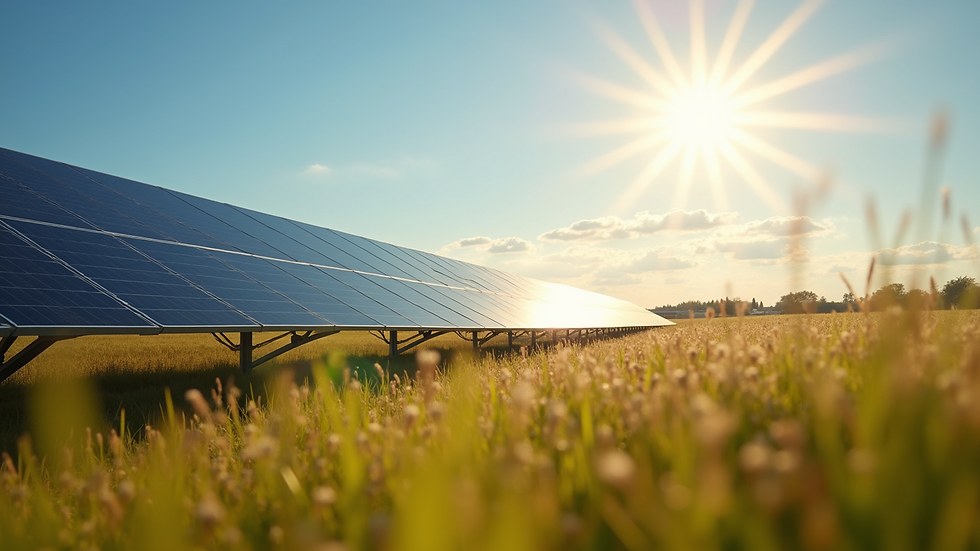
Solar Power: Converts sunlight into electricity using photovoltaic cells. It is abundant and scalable, suitable for residential and commercial use.
Wind Energy: Utilizes wind turbines to generate electricity. Ideal for areas with consistent wind patterns.
Hydropower: Harnesses flowing water to produce energy. It is one of the oldest renewable sources but requires suitable water bodies.
Geothermal Energy: Extracts heat from beneath the earth’s surface for heating and electricity.
Bioenergy: Derived from organic materials like plant waste and animal manure, converted into fuel or electricity.
These alternatives reduce greenhouse gas emissions and dependence on finite resources. Governments and businesses worldwide are investing heavily in these technologies to meet climate goals.
Innovations Driving Eco-Friendly Energy Alternatives Forward
Recent technological breakthroughs have made eco-friendly energy alternatives more efficient and affordable. Here are some key innovations:
Advanced Photovoltaics
New materials like perovskite solar cells offer higher efficiency and lower production costs than traditional silicon cells. These can be integrated into windows and building materials, expanding solar power’s reach.
Offshore Wind Farms
Offshore wind turbines capture stronger and more consistent winds over oceans. Floating turbine technology allows installation in deeper waters, increasing potential sites.
Energy Storage Solutions
Battery technology improvements, such as solid-state batteries and flow batteries, enable better storage of intermittent renewable energy. This ensures a steady power supply even when the sun isn’t shining or the wind isn’t blowing.
Smart Grids
Digital grids use sensors and AI to optimize energy distribution, reduce waste, and integrate diverse energy sources seamlessly.
Green Hydrogen
Produced by splitting water using renewable electricity, green hydrogen can store energy and fuel transport and industry with zero emissions.
These innovations are transforming the energy landscape, making eco-friendly alternatives more competitive with fossil fuels.

Practical Applications and Benefits of Eco-Friendly Energy Alternatives
Adopting eco-friendly energy alternatives offers numerous advantages beyond environmental protection:
Cost Savings: Solar panels and wind turbines reduce electricity bills over time. Many governments provide incentives and rebates to encourage adoption.
Energy Independence: Local renewable energy production reduces reliance on imported fuels and enhances energy security.
Job Creation: The renewable energy sector creates millions of jobs worldwide in manufacturing, installation, and maintenance.
Health Improvements: Reduced air pollution from fossil fuels lowers respiratory and cardiovascular diseases.
Resilience: Distributed energy systems can better withstand natural disasters and grid failures.
For example, a family installing rooftop solar panels in Australia can generate most of their electricity, significantly cutting costs and carbon emissions. Similarly, communities investing in wind farms can power thousands of homes sustainably.
How to Choose the Right Eco-Friendly Energy Alternative
Selecting the best eco-friendly energy alternative depends on several factors:
Location: Solar power is ideal in sunny regions, while wind energy suits coastal or elevated areas.
Energy Needs: Consider the scale of energy consumption—residential, commercial, or industrial.
Budget: Initial investment and maintenance costs vary widely.
Infrastructure: Availability of grid connections and storage options.
Environmental Impact: Assess potential effects on local ecosystems.
To make an informed decision:
Conduct an energy audit to understand consumption patterns.
Research local renewable resources and incentives.
Consult with energy experts or providers.
Consider hybrid systems combining multiple sources for reliability.
By carefully evaluating these factors, individuals and businesses can maximize benefits and contribute to a sustainable future.
Embracing Sustainable Energy Solutions for a Better Tomorrow
Transitioning to sustainable energy solutions is essential for combating climate change and preserving natural resources. These solutions not only reduce environmental impact but also offer economic and social benefits. Governments, industries, and consumers all play a role in accelerating this shift.
To support this transition:
Advocate for policies promoting renewable energy development.
Invest in energy-efficient appliances and building designs.
Educate communities about the benefits of eco-friendly energy alternatives.
Support research and innovation in clean energy technologies.
By embracing these strategies, society can build a resilient, low-carbon energy system that safeguards the planet for future generations.

Exploring and adopting cutting-edge eco-friendly energy alternatives is not just a choice but a responsibility. The future depends on how effectively we harness these technologies today.


