Discover Eco-Friendly Energy Options for Your Needs

As the world shifts towards greener living, finding the right energy solutions becomes essential. Many people want to reduce their carbon footprint and save on energy costs, but they often don’t know where to start. Fortunately, there are many eco-friendly energy options available today that can meet different needs and budgets. This article explores practical and effective ways to embrace sustainable energy in your home or business.
Understanding Eco-Friendly Energy Options
Eco-friendly energy options refer to power sources that have minimal environmental impact. These include renewable energy sources like solar, wind, hydro, and geothermal power. Unlike fossil fuels, these sources do not emit harmful greenhouse gases and are naturally replenished.
Solar Power
Solar energy is one of the most popular eco-friendly energy options. It uses photovoltaic panels to convert sunlight into electricity. Solar panels can be installed on rooftops or in open spaces, making them suitable for both urban and rural settings.
Benefits: Reduces electricity bills, low maintenance, and increases property value.
Considerations: Initial installation cost and dependence on sunlight availability.
Wind Energy
Wind turbines harness the power of wind to generate electricity. This option is ideal for areas with consistent wind patterns.
Benefits: Clean energy with no emissions, scalable from small residential turbines to large wind farms.
Considerations: Noise concerns and visual impact, requires sufficient wind speeds.

Practical Eco-Friendly Energy Options for Your Home or Business
Choosing the right eco-friendly energy option depends on your location, energy needs, and budget. Here are some practical solutions to consider:
Solar Power Systems
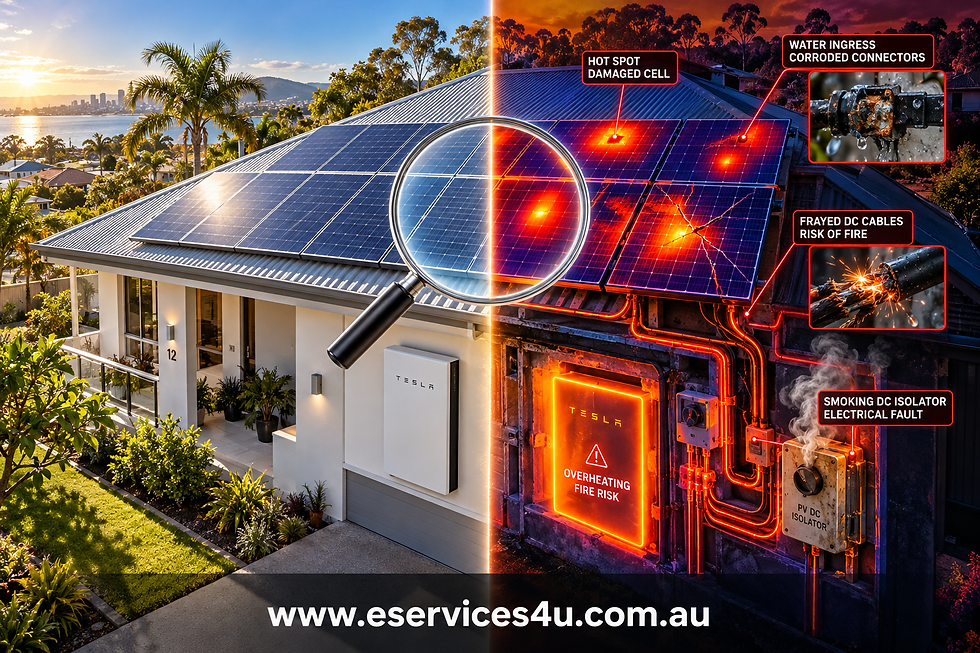
Installing solar panels is a straightforward way to start using renewable energy. Many governments offer incentives and rebates to reduce upfront costs. Pairing solar panels with battery storage can provide power even during outages.
Energy-Efficient Appliances
Switching to energy-efficient appliances reduces overall energy consumption. Look for products with high energy star ratings, such as LED lighting, efficient heating and cooling systems, and smart thermostats.
Small-Scale Wind Turbines
If you live in a windy area, small wind turbines can supplement your energy needs. These systems can be installed on your property and connected to your home’s electrical system.
Geothermal Heating and Cooling
Geothermal systems use the earth’s stable underground temperature to heat and cool buildings efficiently. Though the installation cost is higher, the long-term savings and environmental benefits are significant.

How to Choose the Best Energy Solution for You
Selecting the right energy solution requires careful evaluation. Here are some steps to guide your decision:
Assess Your Energy Needs
Calculate your current energy consumption to understand how much power you require.
Evaluate Your Location
Consider factors like sunlight exposure, wind availability, and local climate.
Budget Planning
Determine how much you can invest upfront and what your long-term savings goals are.
Research Incentives
Look for government rebates, tax credits, or grants that can offset installation costs.
Consult Professionals
Engage with certified installers or energy consultants to get tailored advice.
By following these steps, you can find the most suitable eco-friendly energy options that align with your lifestyle and financial goals.
Benefits of Adopting Sustainable Energy Solutions
Switching to renewable energy offers numerous advantages beyond environmental impact:
Cost Savings: Lower energy bills and protection against rising utility rates.
Energy Independence: Reduced reliance on external power grids.
Increased Property Value: Homes with renewable energy systems often sell faster and at higher prices.
Positive Environmental Impact: Reduced carbon emissions and conservation of natural resources.
Embracing sustainable energy solutions is a smart investment for the future, benefiting both individuals and the planet.
Steps to Implement Eco-Friendly Energy Options Today
Ready to make the switch? Here’s a simple action plan:
Start Small: Begin with energy-efficient appliances or LED lighting.
Get a Home Energy Audit: Identify areas where you can improve energy efficiency.
Explore Solar or Wind Installation: Contact local providers for quotes and feasibility studies.
Consider Financing Options: Look into loans, leases, or power purchase agreements.
Monitor Your Energy Use: Use smart meters or apps to track consumption and savings.
Taking these steps will help you transition smoothly to greener energy and enjoy the benefits sooner.
By exploring and adopting eco-friendly energy options, you contribute to a healthier environment and a more sustainable future. Whether you choose solar panels, wind turbines, or energy-efficient appliances, every step counts towards reducing your carbon footprint and saving money. Start your journey today and discover the power of clean, renewable energy.