Exploring the Best Renewable Energy Options for a Sustainable Future

As the world faces increasing environmental challenges, the shift towards renewable energy options has become more critical than ever. These energy sources offer a cleaner, more sustainable way to power our homes, businesses, and transportation systems. This article explores some of the best renewable energy options available today, providing practical insights and examples to help you understand how these technologies can be integrated into everyday life.
Understanding Renewable Energy Options
Renewable energy options refer to energy sources that are naturally replenished and have a minimal environmental footprint. Unlike fossil fuels, which release harmful greenhouse gases, renewable sources harness natural processes such as sunlight, wind, and water flow to generate power. Here are some of the most popular and effective renewable energy options:
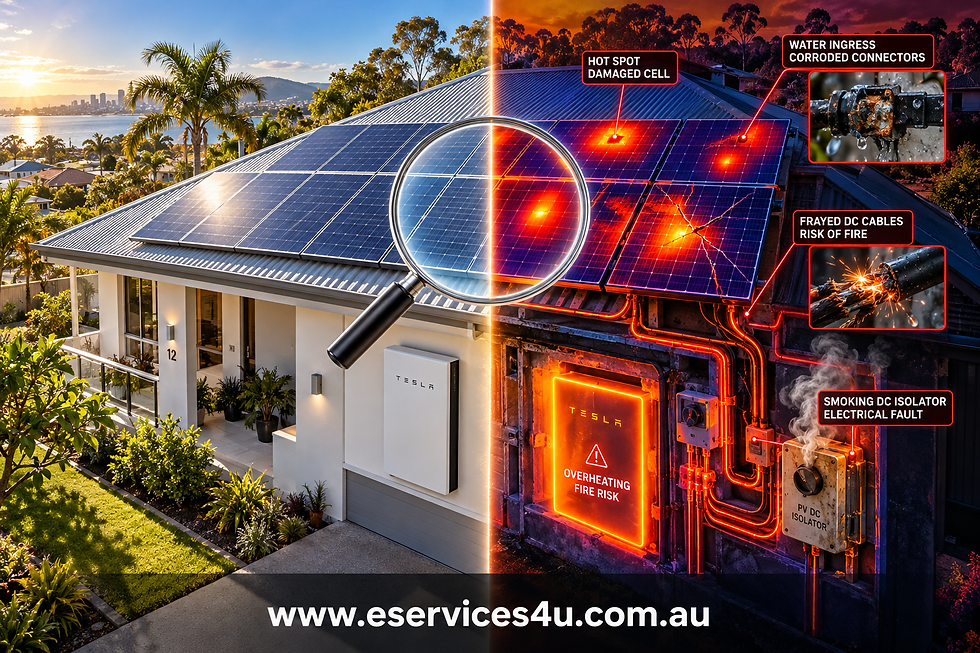
Solar Power: Solar panels convert sunlight directly into electricity. They can be installed on rooftops or in large solar farms.
Wind Energy: Wind turbines capture kinetic energy from the wind and convert it into electrical power.
Hydropower: This involves generating electricity from flowing water, typically using dams or river currents.
Geothermal Energy: Heat from beneath the Earth's surface is used to produce electricity or provide heating.
Biomass Energy: Organic materials like plant waste and wood are converted into fuel or electricity.
Each of these options has unique advantages and challenges, but all contribute to reducing carbon emissions and promoting energy independence.

Solar Power: Harnessing the Sun’s Energy
Solar power is one of the most accessible and rapidly growing renewable energy options. It is especially effective in regions with abundant sunlight. Installing solar panels on residential or commercial rooftops can significantly reduce electricity bills and carbon footprints.
How Solar Panels Work
Solar panels are made up of photovoltaic (PV) cells that absorb sunlight and convert it into direct current (DC) electricity. An inverter then changes this DC electricity into alternating current (AC), which powers your home or business.
Practical Applications
Residential Solar Systems: Homeowners can install rooftop solar panels to generate their own electricity, often with the option to sell excess power back to the grid.
Solar Farms: Large-scale solar installations provide power to thousands of homes and businesses.
Solar Water Heating: Solar thermal systems use sunlight to heat water for domestic or industrial use.
Benefits and Considerations
Cost Savings: Solar panels reduce reliance on grid electricity, lowering energy bills.
Low Maintenance: Once installed, solar systems require minimal upkeep.
Environmental Impact: Solar power produces no emissions during operation.
Initial Investment: The upfront cost can be high, but government incentives and falling panel prices make it more affordable.

Wind Energy: Capturing the Power of the Breeze
Wind energy is another leading renewable energy option that has seen significant growth worldwide. Wind turbines convert the kinetic energy of wind into electrical power, making it a clean and efficient energy source.
How Wind Turbines Work
Wind turbines consist of large blades mounted on a tower. When the wind blows, it turns the blades, which spin a generator to produce electricity.
Practical Applications
Onshore Wind Farms: Located on land, these farms can power entire communities.
Offshore Wind Farms: Situated in coastal waters, offshore turbines benefit from stronger and more consistent winds.
Small-Scale Turbines: Suitable for individual homes or farms, these turbines provide localized power.
Benefits and Considerations
Renewable and Clean: Wind energy produces no emissions.
Cost-Effective: After installation, wind power has low operating costs.
Intermittency: Wind is variable, so energy storage or backup systems may be needed.
Site Selection: Effective wind energy requires locations with consistent wind speeds.
Hydropower and Geothermal Energy: Tapping into Earth’s Natural Forces
Hydropower and geothermal energy are two other renewable energy options that utilize natural Earth processes to generate power.
Hydropower
Hydropower uses the energy of flowing or falling water to spin turbines connected to generators. It is one of the oldest and most established renewable energy sources.
Large Dams: These create reservoirs to control water flow and generate electricity on a large scale.
Run-of-River Systems: These use the natural flow of rivers without large reservoirs, minimizing environmental impact.
Geothermal Energy
Geothermal energy harnesses heat from beneath the Earth’s surface. This heat can be used directly for heating or to generate electricity.
Geothermal Power Plants: These plants use steam from underground reservoirs to drive turbines.
Geothermal Heat Pumps: These systems provide efficient heating and cooling for buildings by leveraging stable underground temperatures.
Benefits and Considerations
Reliable and Consistent: Both hydropower and geothermal provide steady energy output.
Low Emissions: These sources produce minimal greenhouse gases.
Environmental Impact: Large dams can affect ecosystems, and geothermal sites require careful management.
Location Dependent: Geothermal energy is most viable in regions with volcanic activity or hot springs.
Biomass Energy: Turning Waste into Power
Biomass energy involves converting organic materials into fuel or electricity. This renewable energy option helps reduce waste and supports circular economy principles.
How Biomass Energy Works
Biomass can be burned directly for heat or converted into biofuels like ethanol and biodiesel. It can also be processed in anaerobic digesters to produce biogas.
Practical Applications
Bioenergy Plants: Facilities that burn biomass to generate electricity.
Biofuels for Transport: Ethanol and biodiesel can replace petrol and diesel.
Waste Management: Using agricultural and forestry residues reduces landfill waste.
Benefits and Considerations
Waste Reduction: Biomass uses materials that would otherwise be discarded.
Carbon Neutral: The CO2 released during combustion is offset by the CO2 absorbed during plant growth.
Sustainability: Requires careful sourcing to avoid deforestation or food crop competition.
Emissions: Burning biomass can produce pollutants if not properly managed.
Moving Forward with Sustainable Energy Solutions
Transitioning to renewable energy options is essential for a cleaner, healthier planet. By adopting technologies like solar, wind, hydropower, geothermal, and biomass, individuals and communities can reduce their environmental impact and promote energy security.
For those interested in exploring more about sustainable energy solutions, it is important to consider local resources, government incentives, and technological advancements. Combining multiple renewable sources and integrating energy storage can create resilient and efficient energy systems.
Investing in renewable energy not only benefits the environment but also offers economic opportunities through job creation and energy cost savings. Whether you are a homeowner, business owner, or policymaker, understanding and supporting renewable energy options is a step toward a sustainable future.