Sustainable Energy Solutions That Make a Difference: Exploring Eco-Friendly Energy Options

As the world faces increasing environmental challenges, the shift towards eco-friendly energy options has become more critical than ever. Transitioning to cleaner, renewable sources of power not only helps reduce carbon emissions but also promotes energy independence and economic growth. This article delves into some of the most effective and practical sustainable energy solutions that make a difference in our daily lives and the planet’s future.
Understanding Eco-Friendly Energy Options
Eco-friendly energy options refer to power sources that have minimal environmental impact compared to traditional fossil fuels. These options harness natural processes and resources that are renewable and produce little to no greenhouse gases. Some of the most popular eco-friendly energy options include solar, wind, hydroelectric, geothermal, and biomass energy.
Solar Energy: Captures sunlight using photovoltaic panels or solar thermal systems to generate electricity or heat.
Wind Energy: Utilizes wind turbines to convert wind flow into electrical power.
Hydroelectric Energy: Generates electricity by harnessing the energy of flowing or falling water.
Geothermal Energy: Extracts heat from beneath the Earth’s surface for heating or electricity generation.
Biomass Energy: Converts organic materials like plant waste into fuel or electricity.
Each of these options offers unique benefits and can be tailored to different environments and energy needs. By integrating these technologies, communities and businesses can reduce reliance on fossil fuels and contribute to a cleaner, more sustainable future.

Practical Applications of Eco-Friendly Energy Options
Implementing eco-friendly energy options can be straightforward and cost-effective with the right approach. Here are some practical ways individuals, businesses, and governments can adopt these solutions:
Residential Solar Power Systems
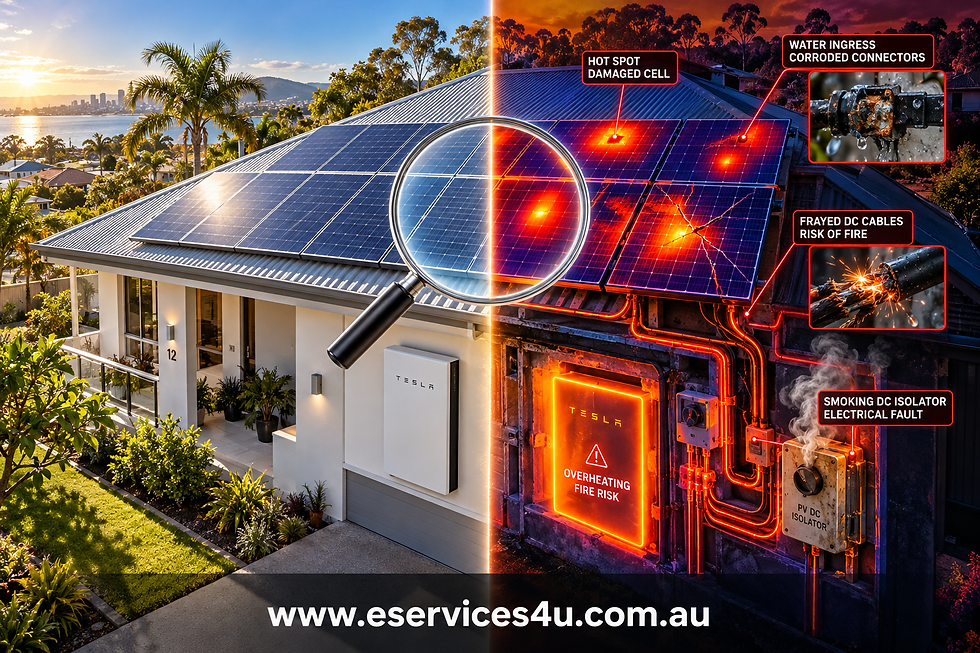
Installing solar panels on homes is one of the most accessible ways to generate clean energy. Modern solar systems are more affordable and efficient than ever, allowing homeowners to reduce electricity bills and even sell excess power back to the grid.
Community Wind Projects
Small to medium-sized wind turbines can be installed in rural or suburban areas to supply power to local communities. These projects often involve cooperative ownership, which helps spread costs and benefits among residents.
Hydroelectric Microgrids
In regions with rivers or streams, micro-hydroelectric systems can provide reliable power to off-grid or remote locations. These systems have a low environmental footprint and can operate continuously, unlike solar or wind which depend on weather conditions.
Geothermal Heating and Cooling
Geothermal heat pumps use the stable temperature underground to heat and cool buildings efficiently. This technology reduces energy consumption for climate control and is suitable for both residential and commercial properties.
Biomass Energy for Waste Management
Biomass plants convert agricultural or organic waste into energy, reducing landfill use and methane emissions. This approach supports circular economy principles by turning waste into a valuable resource.
By adopting these eco-friendly energy options, communities can improve energy security, create jobs, and foster sustainable development.

How Sustainable Energy Solutions Impact the Environment and Economy
The adoption of sustainable energy solutions has far-reaching effects beyond just reducing carbon footprints. Here’s how these solutions contribute to environmental and economic well-being:
Environmental Benefits
- Significant reduction in greenhouse gas emissions
- Decreased air and water pollution
- Conservation of natural resources and biodiversity
- Mitigation of climate change impacts
Economic Advantages
- Creation of new jobs in renewable energy sectors
- Lower operational costs due to free fuel sources like sun and wind
- Increased energy independence and security
- Stimulation of local economies through infrastructure development
Governments worldwide are incentivising the transition to renewable energy through subsidies, tax credits, and grants. These policies encourage innovation and investment, making eco-friendly energy options more accessible and affordable.
Overcoming Challenges in Adopting Eco-Friendly Energy Options
Despite the clear benefits, several challenges can hinder the widespread adoption of eco-friendly energy options. Understanding and addressing these barriers is essential for successful implementation:
Initial Investment Costs
While prices have dropped, the upfront cost of installing renewable energy systems can still be a hurdle. Financing options, government incentives, and community programs can help alleviate this burden.
Intermittency and Reliability
Solar and wind energy depend on weather conditions, which can cause fluctuations in power supply. Combining different renewable sources and integrating energy storage solutions like batteries can improve reliability.
Infrastructure and Grid Integration
Existing power grids may require upgrades to handle distributed renewable energy generation. Smart grid technologies and microgrids can facilitate smoother integration.
Public Awareness and Acceptance
Educating communities about the benefits and addressing misconceptions is vital. Transparent communication and involving local stakeholders in planning can increase acceptance.
By proactively tackling these challenges, the transition to eco-friendly energy options can be accelerated, ensuring a sustainable energy future for all.
Steps You Can Take to Support Sustainable Energy Solutions
Everyone can play a role in promoting and adopting sustainable energy solutions. Here are some actionable recommendations:
Conduct an Energy Audit
Assess your current energy use and identify opportunities to improve efficiency and incorporate renewable sources.
Invest in Renewable Energy Systems
Consider installing solar panels, small wind turbines, or geothermal heat pumps based on your location and needs.
Support Green Energy Providers
Choose electricity suppliers that offer renewable energy options or participate in community renewable projects.
Advocate for Policy Change
Engage with local representatives to support policies that promote renewable energy development and infrastructure investment.
Educate Yourself and Others
Stay informed about new technologies and share knowledge with friends, family, and colleagues to build a culture of sustainability.
By taking these steps, individuals and organisations can contribute to a cleaner, healthier environment and a more resilient energy system.
Transitioning to eco-friendly energy options is not just a trend but a necessary evolution for a sustainable future. Embracing these technologies and practices empowers us to reduce environmental impact, foster economic growth, and ensure energy security for generations to come. The time to act is now, and every effort counts in making a meaningful difference.