Sustainable Solutions for Efficient Energy Use: Efficient Energy Solutions for a Greener Future

Energy consumption is a critical issue in today's world. With rising costs and environmental concerns, finding ways to use energy more efficiently is essential. Efficient energy solutions not only reduce bills but also help protect the planet. This article explores practical and sustainable methods to improve energy use in homes, businesses, and communities.
Understanding Efficient Energy Solutions
Efficient energy solutions focus on using less energy to perform the same tasks. This means reducing waste and improving the performance of devices and systems. For example, switching to LED lighting uses up to 80% less energy than traditional bulbs. Similarly, modern appliances often have energy ratings that indicate their efficiency.
Some key benefits of efficient energy solutions include:
Lower energy bills
Reduced greenhouse gas emissions
Increased comfort and convenience
Enhanced property value
To implement these solutions, it is important to assess current energy use and identify areas for improvement. Energy audits can help pinpoint inefficiencies and recommend upgrades.

Practical Steps to Improve Energy Efficiency
Improving energy efficiency can be straightforward and cost-effective. Here are some actionable recommendations:
Upgrade Lighting
Replace incandescent bulbs with LED or CFL bulbs. These last longer and consume less power.
Improve Insulation
Proper insulation in walls, roofs, and floors keeps homes warmer in winter and cooler in summer, reducing heating and cooling needs.
Use Smart Thermostats
Smart thermostats learn your schedule and adjust temperatures automatically, saving energy without sacrificing comfort.
Seal Air Leaks
Check for gaps around windows, doors, and vents. Use weatherstripping or caulking to seal leaks.
Choose Energy-Efficient Appliances
Look for appliances with high energy star ratings. They use less electricity and water.
Utilise Natural Light and Ventilation
Design spaces to maximise daylight and airflow, reducing the need for artificial lighting and air conditioning.
Regular Maintenance
Keep heating, ventilation, and air conditioning (HVAC) systems clean and serviced to maintain efficiency.
By following these steps, households and businesses can significantly reduce their energy consumption and costs.
Renewable Energy Integration
Incorporating renewable energy sources is a powerful way to enhance energy efficiency. Solar panels, wind turbines, and geothermal systems provide clean energy that reduces reliance on fossil fuels.
Solar Power
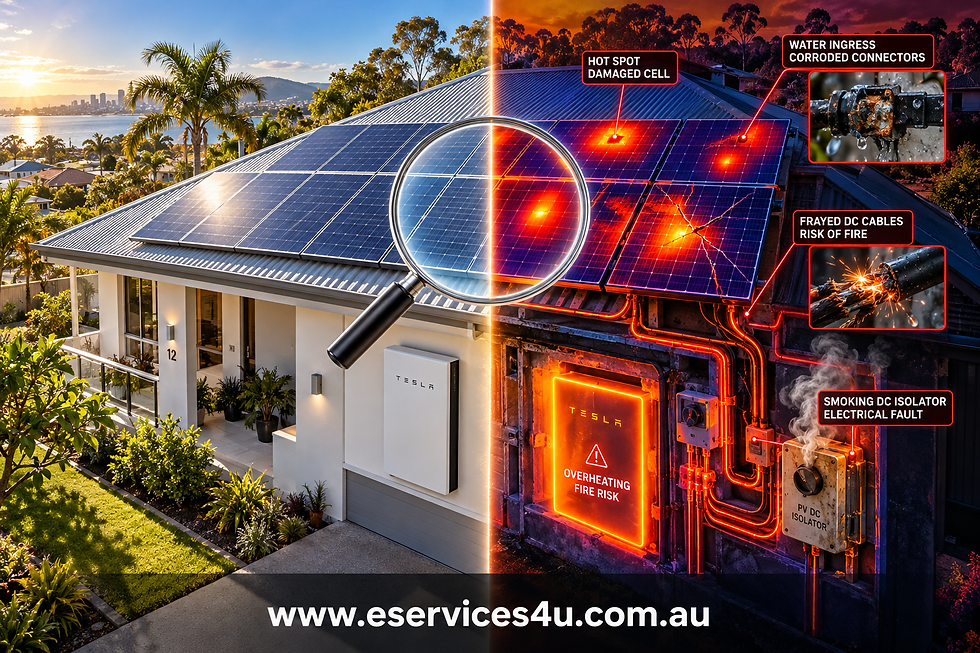
Solar photovoltaic (PV) panels convert sunlight into electricity. Installing solar panels on rooftops or in open spaces can supply a significant portion of a building’s energy needs. Excess energy can be stored in batteries or fed back into the grid.
Wind Energy
Small-scale wind turbines can be effective in areas with consistent wind. They generate electricity without emissions and can complement solar power.
Geothermal Systems
Geothermal heat pumps use the earth’s stable temperature to heat and cool buildings efficiently. This technology reduces energy use for climate control.

The Role of Technology in Energy Efficiency
Technology plays a crucial role in advancing efficient energy solutions. Smart meters, energy management systems, and automation tools provide real-time data and control over energy use.
Smart Meters
These devices track energy consumption and provide feedback to users, encouraging energy-saving behaviours.
Energy Management Systems (EMS)
EMS monitor and optimise energy use in commercial buildings, factories, and homes.
Automation and IoT
Internet of Things (IoT) devices can automate lighting, heating, and appliances based on occupancy and time of day.
Investing in these technologies can lead to substantial energy savings and improved operational efficiency.
Embracing Sustainable Energy Solutions for Long-Term Impact
Adopting sustainable energy solutions is essential for creating a resilient and environmentally friendly energy future. These solutions combine efficiency with renewable energy to reduce carbon footprints and promote sustainability.
Communities and governments can support this transition by:
Offering incentives for energy-efficient upgrades
Implementing building codes that require energy performance standards
Investing in renewable energy infrastructure
Educating the public about energy conservation
Individuals can contribute by making informed choices and advocating for sustainable policies.
Moving Forward with Energy Efficiency
Efficient energy use is not just a trend but a necessity. By adopting practical measures, integrating renewable energy, and leveraging technology, it is possible to reduce energy consumption and environmental impact.
Start by evaluating your current energy use and exploring options for improvement. Small changes can lead to significant savings and a healthier planet. Together, we can build a sustainable energy future that benefits everyone.